How to Choose a Hospital for High-Risk Pregnancy in Delhi
Choosing the right hospital for a high-risk pregnancy in Delhi is an important decision. Some pregnancies require closer monitoring, specialist obstetric care, advanced diagnostic evaluation, and access to emergency or critical-care services.
When selecting a high-risk pregnancy hospital in Delhi, consider more than the hospital's reputation or online reviews. Look at the experience of its obstetrics and gynecology team, availability of emergency services, maternal and fetal monitoring, surgical facilities, specialist support, and experience managing your specific pregnancy risk.
For women looking for high-risk pregnancy care in South Delhi, accessibility is also important because pregnancy may require regular consultations, investigations, and follow-up appointments.
What Is a High-Risk Pregnancy?
A high-risk pregnancy is one in which the mother, baby, or both may have an increased risk of complications during pregnancy, labour, or delivery.
A pregnancy may require specialist monitoring because of factors such as:
- Previous pregnancy loss
- Recurrent miscarriage
- Cervical insufficiency
- Previous preterm birth
- High blood pressure
- Diabetes
- Thyroid disorders
- Multiple pregnancy
- Previous cesarean delivery
- Placental problems
- Maternal medical conditions
- Pregnancy following fertility treatment
- Previous pregnancy complications
Being classified as high risk does not necessarily mean that complications will occur. The appropriate level of care depends on the individual's medical history, pregnancy, risk factors, and clinical assessment.
10 Factors to Consider When Choosing a High-Risk Pregnancy Hospital in Delhi
1. Look for an Experienced Obstetrics & Gynaecology Team
The first factor to consider is whether the hospital has an experienced high-risk pregnancy specialist in Delhi or obstetrician who regularly manages complex pregnancies.
Ask whether the medical team has experience with conditions relevant to your pregnancy, including:
- Recurrent pregnancy loss
- Cervical insufficiency
- Previous preterm birth
- Gestational diabetes
- Hypertension during pregnancy
- Thyroid disorders
- Multiple pregnancy
- Previous cesarean delivery
- Placental complications
- Maternal medical conditions
Instead of choosing a hospital simply because it is described as the best hospital for high-risk pregnancy in Delhi, evaluate whether its doctors have relevant experience with your particular medical needs.
2. Check for 24×7 Emergency and Critical-Care Support
A high-risk pregnancy may sometimes require urgent medical assessment. Therefore, when comparing high-risk pregnancy hospitals in Delhi, check what emergency and critical-care facilities are available.
Depending on the hospital, relevant facilities may include:
- Emergency obstetric care
- ICU and critical care
- Emergency surgical services
- Anesthesia support
- Laboratory investigations
- Diagnostic imaging
- Blood transfusion arrangements
- Pediatric or neonatal support when clinically required
Before choosing a hospital, ask how emergency situations are managed and whether appropriate specialists are available when needed.
3. Evaluate Maternal and Fetal Monitoring
High-risk pregnancies may require closer monitoring than uncomplicated pregnancies.
Ask the hospital about its ability to provide appropriate maternal and fetal assessment based on the pregnancy.
Depending on the individual's medical circumstances, monitoring may include:
- Ultrasound examinations
- Fetal growth assessment
- Blood pressure monitoring
- Blood and urine investigations
- Fetal heart-rate monitoring
- Placental assessment
- Other pregnancy-specific investigations
The frequency and type of monitoring should always be determined by the treating obstetrician based on the patient's individual needs.
4. Check for Specialized Cervical Care
Women with cervical insufficiency, cervical incompetence, recurrent pregnancy loss, or certain previous pregnancy complications may require specialized obstetric assessment.
Ask whether the hospital provides cervical cerclage in Delhi when clinically appropriate.
Cervical Cerclage for High-Risk Pregnancy
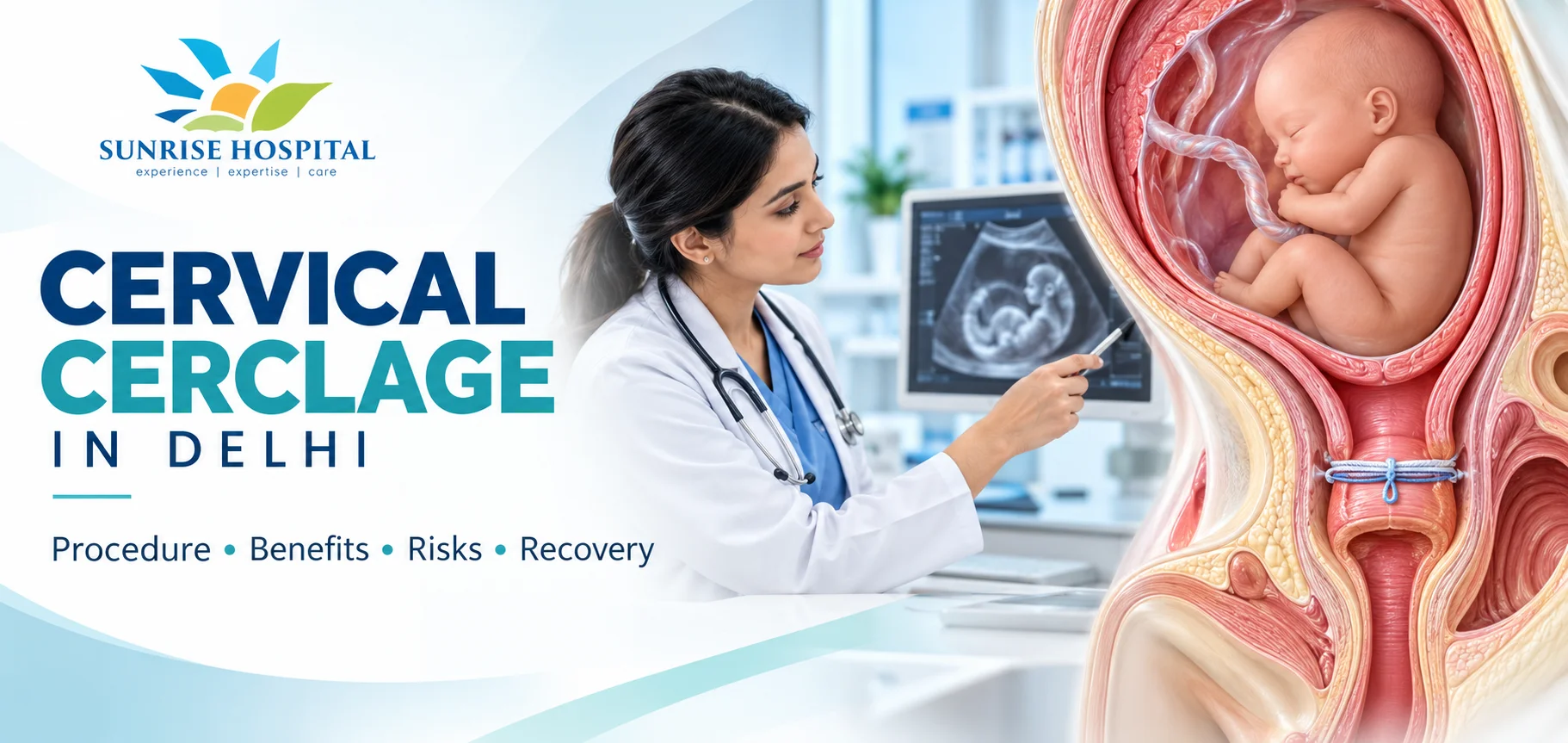
Cervical cerclage involves placing a stitch around the cervix to provide additional support in selected pregnancies.
Whether cerclage is appropriate depends on factors such as:
- Pregnancy history
- Cervical findings
- Gestational age
- Previous cerclage
- Current pregnancy assessment
- Individual medical circumstances
Trans Abdominal Cerclage (TAC)
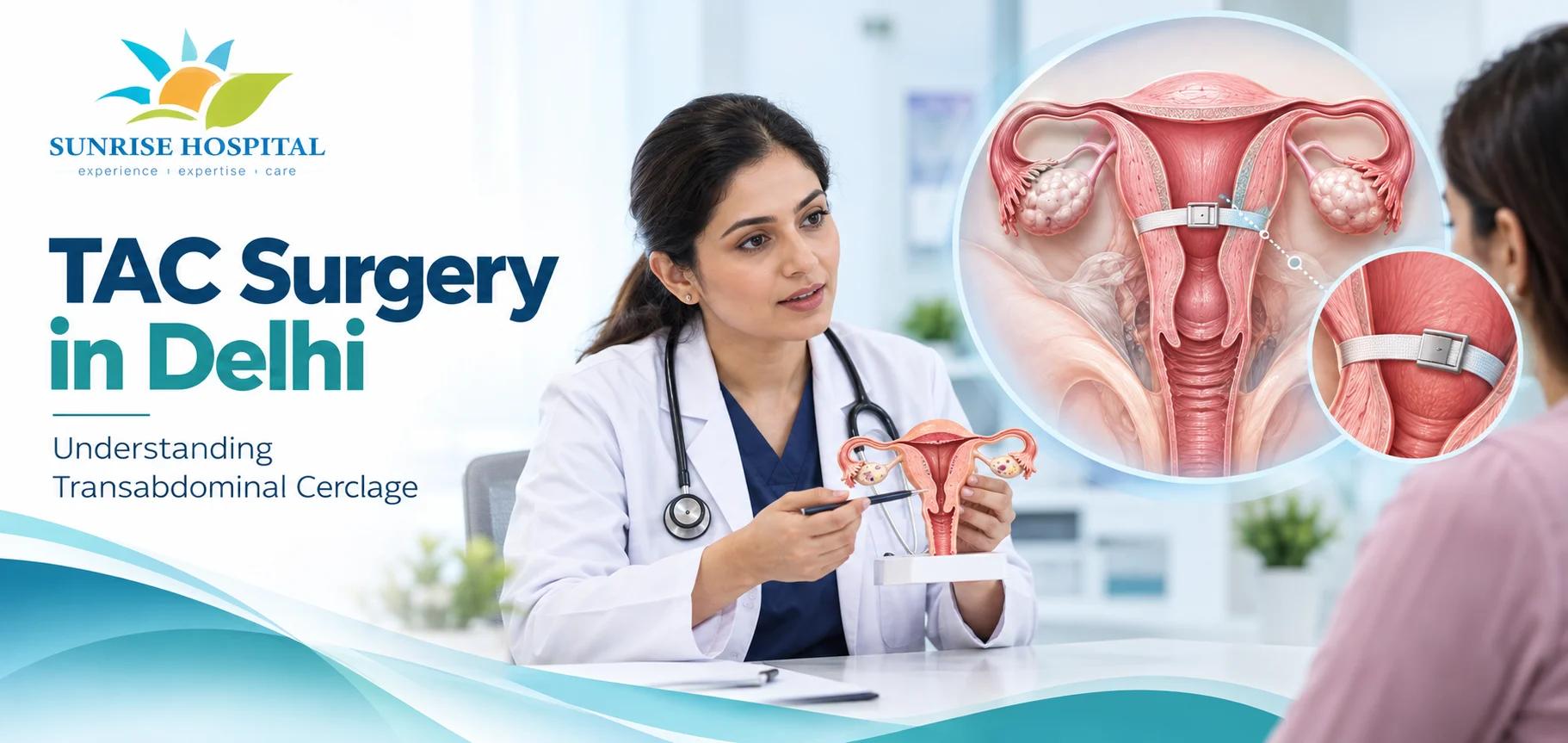
For selected patients, an obstetric specialist may discuss Trans Abdominal Cerclage (TAC), particularly in specific situations involving cervical insufficiency or previous unsuccessful vaginal cerclage.
Women searching for TAC surgery in Delhi should undergo an individual evaluation with an appropriately experienced specialist before deciding whether the procedure is suitable.
5. Check Experience With Your Specific Pregnancy Risk
Not every high-risk pregnancy requires the same type of care.
For example, a woman with cervical insufficiency may require a different monitoring and treatment approach from a woman with:
- Gestational diabetes
- Hypertension
- Twin pregnancy
- Previous preterm delivery
- Previous cesarean section
- Recurrent pregnancy loss
When comparing hospitals, ask:
Does the hospital have specialists experienced in managing my specific pregnancy risk?
This is often more meaningful than simply searching for the best high-risk pregnancy hospital in Delhi.
6. Consider Hospital Location and Accessibility
Location can be an important practical factor, particularly if pregnancy requires frequent consultations, investigations, or urgent assessment.
For patients looking for high-risk pregnancy care in South Delhi, a hospital that is accessible from home may make regular follow-up more convenient.
Sunrise Hospital is located in Kalindi Colony, New Delhi, and serves patients from areas including:
- New Friends Colony
- Okhla
- Jasola
- Sarita Vihar
- Jamia Nagar
- Lajpat Nagar
- Greater Kailash
- South Delhi
- Delhi NCR
However, proximity should not be the only deciding factor. Consider location together with specialist expertise, emergency preparedness, hospital facilities, and the specific requirements of your pregnancy.
7. Ask About Delivery and Emergency Planning
Before choosing a high-risk pregnancy hospital in Delhi, ask your obstetrician how delivery planning is handled.
Depending on the pregnancy, your doctor may discuss:
- Expected timing of delivery
- Vaginal delivery when appropriate
- Cesarean delivery when medically indicated
- Warning signs requiring urgent assessment
- Emergency procedures
- Maternal monitoring
- Fetal monitoring
- Post-delivery observation
- Newborn care requirements
A pregnancy care plan should be individualized and may change as the pregnancy progresses.
8. Review Doctor Qualifications and Experience
When researching a high-risk pregnancy specialist in Delhi, review the doctor's:
- Medical qualifications
- Obstetric experience
- Areas of expertise
- Experience managing high-risk pregnancies
- Experience with your specific condition
- Hospital affiliation
- Approach to patient counselling
Patient testimonials may help you understand communication and overall patient experience, but they should not be the only factor in choosing a doctor.
Clinical expertise, appropriate facilities, emergency preparedness, and suitability for your particular pregnancy should carry greater importance.
9. Consider Multispeciality Hospital Support
Some high-risk pregnancies involve medical conditions that require care from specialists outside obstetrics and gynecology.
A multispeciality hospital in Delhi may provide access to departments such as:
- Internal Medicine
- Critical Care & ICU
- General Surgery
- Urology
- Pediatrics
- ENT
- Orthopedics
- Other relevant specialties
Multidisciplinary support can be useful when a pregnancy involves more than one medical or surgical concern.
10. Choose a Hospital That Provides Personalized Pregnancy Care
The best hospital for high-risk pregnancy in Delhi is not necessarily the largest hospital or the one with the most advertising.
Look for a hospital where the care team:
- Reviews your pregnancy history
- Identifies relevant risk factors
- Explains your condition clearly
- Discusses appropriate treatment options
- Creates an individualized monitoring plan
- Explains warning signs and when to seek urgent care
- Coordinates care between specialists when required
Good communication and individualized care are important parts of a positive pregnancy-care experience.
Why Consider Sunrise Hospital for High-Risk Pregnancy Care in Delhi?
Sunrise Hospital in Kalindi Colony, New Delhi, provides Obstetrics & Gynaecology services along with specialized care related to high-risk pregnancy and selected cervical conditions.
Its relevant women's healthcare services include:
- High-risk pregnancy care
- Obstetrics & Gynaecology
- Cervical Cerclage
- Trans Abdominal Cerclage
- Gynae Laparoscopic Surgery
- Endometriosis care
The hospital also provides access to multiple specialties, including Internal Medicine, Pediatrics, General Surgery, Urology, Orthopedics, ENT and Critical Care & ICU, supporting a broader multispeciality approach when clinically required.
Patients considering high-risk pregnancy care in Delhi can discuss their pregnancy history, medical conditions, and individual requirements with the obstetrics and gynecology team to determine the appropriate care pathway.
How to Compare High-Risk Pregnancy Hospitals in Delhi
Before making your decision, create a simple checklist:
| Factor | What to Check |
|---|---|
| Obstetric expertise | Experience managing high-risk pregnancies |
| Specialist availability | Relevant doctors for your specific condition |
| Emergency care | 24×7 emergency support |
| Critical care | ICU/critical-care availability |
| Monitoring | Maternal and fetal assessment |
| Surgical facilities | Emergency and planned procedures |
| Cervical care | Cerclage and relevant specialist procedures |
| TAC expertise | Experience with selected TAC cases |
| Multispeciality support | Access to other specialists |
| Location | Convenient access from home |
| Communication | Clear counselling and individualized care |
| Follow-up | Ongoing pregnancy monitoring |
Questions to Ask Before Choosing a High-Risk Pregnancy Hospital
Before your first appointment, consider asking:
- Does the hospital provide high-risk pregnancy care in Delhi?
- Does the obstetrician have experience with my specific pregnancy condition?
- What maternal and fetal monitoring is available?
- Is emergency obstetric care available when required?
- Is critical-care support available?
- Does the hospital provide cervical cerclage?
- Is Trans Abdominal Cerclage (TAC) available for appropriate patients?
- Are surgical and anesthesia services available?
- Can other specialists be involved if required?
- How will my delivery plan be determined?
When Should You Consult a High-Risk Pregnancy Specialist?
Consider discussing specialist pregnancy care with an obstetrician if you have a history of:
- Recurrent miscarriage
- Previous pregnancy loss
- Preterm birth
- Cervical insufficiency
- Previous pregnancy complications
- High blood pressure
- Diabetes
- Thyroid disease
- Multiple pregnancy
- Previous complicated cesarean delivery
- Other significant medical conditions
If you experience significant vaginal bleeding, severe abdominal pain, fluid leakage, severe headache, visual changes, reduced fetal movement, or another sudden concerning symptom, seek prompt medical attention.
Frequently Asked Questions About High-Risk Pregnancy Hospitals in Delhi
Which hospital is best for high-risk pregnancy in Delhi?
The appropriate hospital depends on your medical condition and the level of specialist, emergency, surgical, maternal, and fetal care you may require. Compare obstetric expertise, emergency facilities, critical care, specialist availability, and experience with your specific pregnancy risk.
How do I choose a high-risk pregnancy specialist in Delhi?
Look for an obstetrician with relevant qualifications and experience managing your specific risk factors. Also consider the hospital's emergency facilities, monitoring capabilities, specialist support, and ability to provide individualized pregnancy care.
Is cervical cerclage available for high-risk pregnancy?
Cervical cerclage may be recommended for selected patients with cervical insufficiency or certain pregnancy histories. Whether it is appropriate depends on individual clinical circumstances and should be determined by an obstetric specialist.
When is Trans Abdominal Cerclage considered?
Trans Abdominal Cerclage (TAC) may be considered for selected patients with specific cervical factors or previous pregnancy outcomes. It is a specialized procedure and requires individual assessment by an appropriately experienced obstetric specialist.
Where can I get high-risk pregnancy care in South Delhi?
Sunrise Hospital in Kalindi Colony, New Delhi, provides Obstetrics & Gynaecology services, including care related to high-risk pregnancy and specialized cervical procedures for appropriately selected patients.
What should I look for in a high-risk pregnancy hospital?
Look for experienced obstetric specialists, appropriate maternal and fetal monitoring, emergency and critical-care facilities, relevant surgical capabilities, multidisciplinary support, and convenient access for regular pregnancy follow-up.