Who Is the Best Endometriosis Specialist in Delhi? Treatment, Surgery, and How to Choose
Looking for the best endometriosis specialist in Delhi? Choosing the right doctor involves more than online rankings. Patients should consider the gynaecologist’s relevant experience, diagnostic approach, understanding of endometriosis, treatment options, surgical expertise when needed, and follow-up care.
Endometriosis is a chronic condition that can cause painful periods, persistent pelvic pain, pain during sexual intercourse, bowel or urinary symptoms, and fertility difficulties in some patients. Symptoms vary, and the condition can sometimes be difficult to diagnose.
At Sunrise Hospital in Kalindi Colony, South Delhi, patients can explore gynaecological care and endometriosis-related treatment options. The appropriate approach depends on an individual’s symptoms, medical history, diagnostic findings, treatment preferences, and reproductive plans.
This guide explains how to choose an endometriosis specialist in Delhi, when to seek medical advice, what treatment options may be considered, and which questions to ask before deciding on treatment.
How Do You Choose the Best Endometriosis Specialist in Delhi?
There is no single doctor who is best for every patient. The right specialist is someone whose qualifications and clinical experience match your needs and who explains the benefits, limitations, and risks of available options.
When comparing an endometriosis doctor in Delhi, consider these factors:
1. Relevant gynaecology experience
Look for a qualified gynaecologist with experience evaluating and managing suspected or confirmed endometriosis. Ask whether the doctor regularly treats symptoms such as severe period pain, chronic pelvic pain, endometriomas, and suspected deep endometriosis.
2. Appropriate diagnostic assessment
A suitable specialist should review your menstrual history, pain patterns, previous investigations, medications and relevant family history. Depending on the situation, an examination, ultrasound or MRI may be considered.
A normal ultrasound does not always rule out endometriosis. Ask the doctor how your symptoms will be evaluated if initial investigations do not explain the pain.
3. Understanding of medical and surgical treatments
Endometriosis management may involve pain relief, hormonal medicines, monitoring, surgery, or a combination of approaches. Surgery is not necessary for every patient.
If an operation is being considered, ask about the surgeon’s experience with the proposed procedure, expected benefits, possible complications, alternatives, and the possibility of symptoms returning.
4. Consideration of fertility goals
Some patients want to become pregnant now or in the future, while others prioritise pain control and daily functioning. These preferences can influence treatment decisions.
A good consultation should include a discussion of fertility goals when relevant, including the potential effects of endometriosis and ovarian surgery on reproductive health.
5. Clear communication and follow-up
Choose a doctor who listens to your concerns, answers questions in understandable language, and explains the next steps. Endometriosis can require ongoing care, so follow-up arrangements and access to further assessment matter.
What Is Endometriosis?
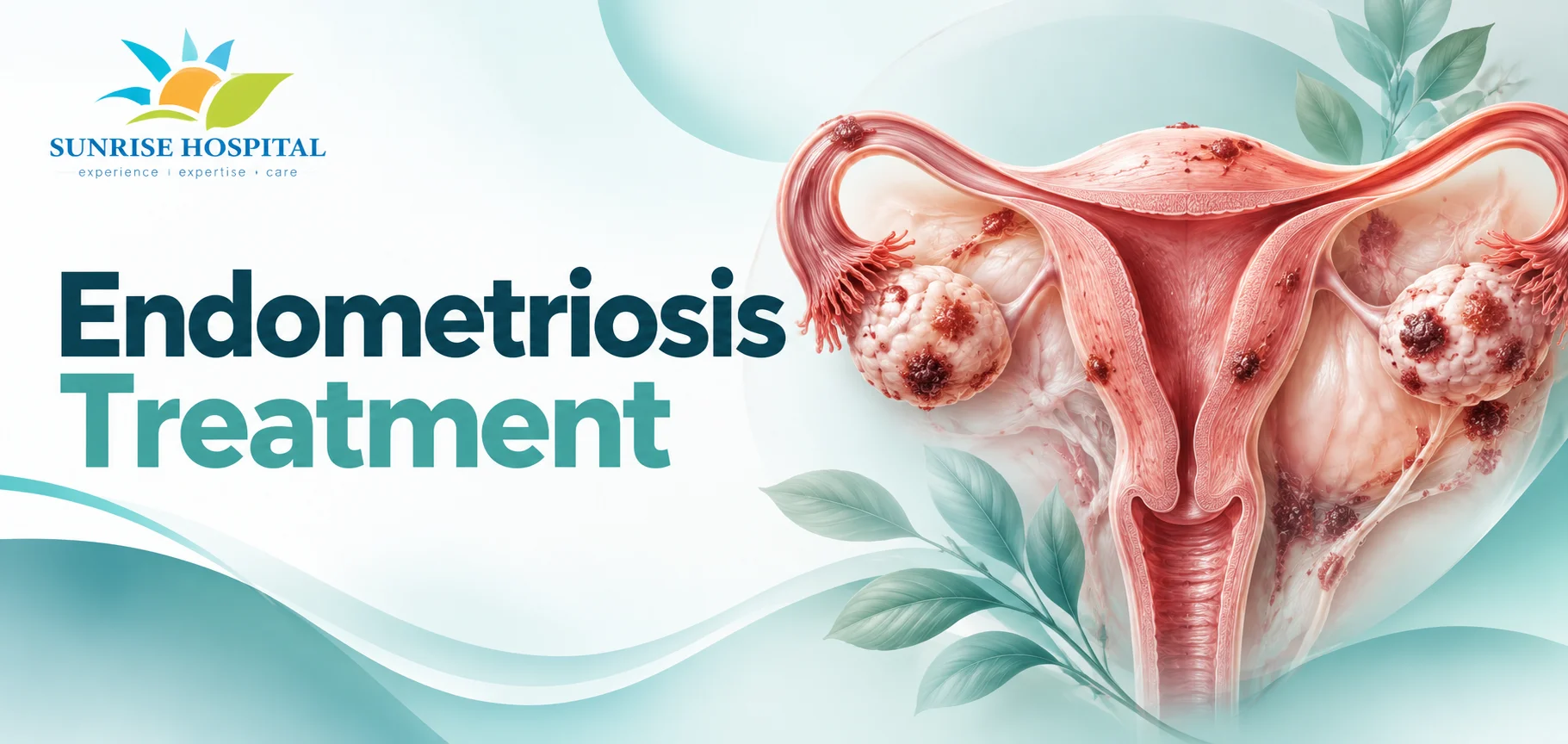
Endometriosis is a chronic condition in which tissue similar to the lining of the uterus grows outside the uterus. It can cause inflammation and scar tissue and may affect structures within the pelvis.
The condition is estimated to affect around 10% of reproductive-age women worldwide, according to the World Health Organization. Symptoms and their severity differ considerably between individuals.
Endometriosis is not simply a condition of painful periods. It can affect everyday activities, emotional well-being, sexual health, and fertility.
What Are the Common Symptoms of Endometriosis?
Symptoms that may warrant medical assessment include:
- Severe period pain that interferes with everyday activities.
- Persistent or recurring pelvic or lower abdominal pain.
- Pain during or after sexual intercourse.
- Painful bowel movements, particularly around menstruation.
- Pain during urination or recurring urinary symptoms associated with the menstrual cycle.
- Heavy menstrual bleeding or other menstrual changes.
- Difficulty conceiving, particularly when accompanied by pelvic pain or painful periods.
These symptoms can also occur with other conditions. They do not confirm endometriosis on their own, and some people with endometriosis have few or no noticeable symptoms.
If period pain regularly disrupts work, study, sleep or daily life, consider consulting a qualified gynaecologist rather than assuming the pain is normal.
How Is Endometriosis Diagnosed?
Diagnosing endometriosis begins with understanding the patient's symptoms and medical history. Your doctor may ask when the pain occurs, how long it lasts, whether it changes during your menstrual cycle and how it affects everyday activities.
Depending on the clinical assessment, investigations may include:
Pelvic ultrasound: Ultrasound can help identify ovarian endometriomas, certain features of deep endometriosis and other possible causes of symptoms.
Pelvic MRI: In selected cases, MRI can help assess suspected deep endometriosis and its extent. It is not required for every patient.
Laparoscopy: This is a surgical procedure that allows a clinician to inspect the pelvis and, when appropriate, treat visible endometriosis. It may be considered when clinically indicated, including in some patients whose imaging is normal.
Not every patient needs surgery to begin treatment. The appropriate diagnostic pathway depends on the symptoms, examination, imaging findings and clinical judgement of the treating professional.
What Are the Treatment Options for Endometriosis?
Endometriosis treatment is individualised. A doctor may discuss one or more of the following options.
1. Pain management
Pain-relieving medicines may be considered after reviewing the patient's medical history, other medicines, contraindications and potential side effects.
Persistent or severe pain that does not respond adequately to initial treatment requires further assessment.
2. Hormonal treatment
Hormonal medicines, including certain contraceptive or progestogen treatments, may help reduce endometriosis-related pain in appropriate patients.
These treatments are not suitable for everyone. The choice depends on the person's health, preferences, side-effect considerations and whether they are trying to conceive.
3. Monitoring and ongoing care
Some patients may benefit from planned follow-up rather than immediate surgery. Follow-up may involve reviewing symptoms, treatment response and investigations where appropriate.
4. Laparoscopic surgery
Laparoscopic surgery may be considered for selected patients depending on symptoms, suspected disease extent, response to other treatments, fertility priorities and the risks and benefits of an operation.
The procedure may involve treating endometriosis lesions or adhesions. The exact approach depends on where the disease is located and its complexity.
Patients with suspected deep endometriosis involving the bowel, bladder or ureter may require specialist assessment and coordinated care involving other relevant disciplines.
No treatment can guarantee permanent relief. Symptoms may persist or recur, including after surgery, so discuss the likely benefits, risks and follow-up plan before making a decision.
When Is Laparoscopic Surgery Recommended for Endometriosis?
Laparoscopic surgery may be discussed when symptoms remain troublesome despite other treatment, when investigations identify findings that need surgical assessment, or when surgery may be appropriate for an individual’s circumstances.
Before proceeding, ask your specialist:
- What is the purpose of the proposed operation?
- What benefits can reasonably be expected in my case?
- What are the alternatives to surgery?
- What are the risks and possible complications?
- Could the procedure affect ovarian reserve or future fertility?
- What recovery time and follow-up may be needed?
- Is additional specialist support necessary for the location or complexity of the disease?
A recommendation for surgery should follow an individual clinical assessment. An online article cannot determine whether an operation is appropriate for a particular patient.
Can Endometriosis Affect Fertility?
Endometriosis is associated with fertility difficulties in some patients, but it does not mean that every person with the condition will be unable to conceive.
Fertility planning should take account of age, symptoms, ovarian reserve where relevant, other fertility factors and the person's reproductive goals.
If pregnancy is a priority, discuss this before starting treatment or undergoing ovarian surgery. In selected situations, a fertility specialist may need to be involved in planning care.
Hormonal treatment may help manage symptoms but does not improve the chance of spontaneous pregnancy while a patient is actively trying to conceive. A clinician can explain which approaches are appropriate for the individual situation.
Where Can You Seek Endometriosis Treatment in South Delhi?
Patients looking for endometriosis treatment in Delhi can compare hospitals and gynaecology services based on the doctor’s relevant experience, diagnostic approach, treatment options, surgical facilities where needed, and follow-up arrangements.
Sunrise Hospital is located at F-1, Kalindi Colony, New Delhi, Delhi 110065, near New Friends Colony. The hospital provides gynaecological and laparoscopic surgery services, and patients can enquire about an assessment for endometriosis-related concerns.
Learn more about the hospital's services:
- Endometriosis treatment at Sunrise Hospital
- Gynaecological laparoscopic surgery
- Obstetrics and gynaecology services
- Meet Dr. Nikita Trehan
- About Sunrise Hospital
Before booking, confirm the availability of the appropriate specialist and ask whether your symptoms or previous investigations should be shared in advance.
What Should You Bring to an Endometriosis Consultation?
Preparing for an appointment can help you make better use of your consultation.
Consider bringing:
- Previous ultrasound, MRI, or other relevant investigation reports.
- A list of current and previously tried medicines.
- Notes about your menstrual cycle, pain severity, and symptom patterns.
- Details of previous operations or relevant medical conditions.
- Information about fertility goals, if relevant.
- Questions about diagnosis, treatment alternatives, costs and follow-up.
A symptom diary can help you explain when symptoms occur and how they affect your daily life.
Frequently Asked Questions About Endometriosis Specialists in Delhi
Who is the best endometriosis specialist in Delhi?
The right endometriosis specialist depends on the patient's symptoms, diagnostic needs, treatment goals, and the clinician's relevant experience. Compare qualifications, experience managing endometriosis, communication, available treatment options and follow-up arrangements before choosing a doctor.
Which doctor should I consult for endometriosis?
A qualified gynaecologist is generally an appropriate starting point for suspected endometriosis. Patients with suspected deep disease, complex symptoms or particular fertility concerns may need referral to additional specialists.
Can endometriosis be treated without surgery?
Yes. Depending on the clinical situation, management may include pain-relieving medicines, hormonal treatment and follow-up. Surgery is considered for selected patients after discussing individual needs, alternatives and risks.
When is laparoscopic surgery needed for endometriosis?
Laparoscopic surgery may be considered when symptoms, examination or investigations indicate that an operation could be beneficial. The decision should account for disease location, symptom severity, prior treatment, fertility goals and potential complications.
Can endometriosis return after surgery?
Yes. Symptoms or lesions can persist or recur after surgery. The likelihood and timing vary between patients. Ask your surgeon about postoperative management and the follow-up plan relevant to your situation.
Can I get pregnant if I have endometriosis?
Some people with endometriosis conceive naturally, while others may experience fertility difficulties. If you are planning pregnancy, discuss your options with a gynaecologist and, where appropriate, a fertility specialist.
Where can I seek endometriosis treatment in South Delhi?
Sunrise Hospital in Kalindi Colony, near New Friends Colony, provides gynaecological and laparoscopic surgery services. Contact the hospital to enquire about an appropriate consultation and confirm specialist availability.
How can I book an endometriosis consultation at Sunrise Hospital?
Visit the Sunrise Hospital website to explore the relevant departments and contact the hospital to enquire about an appointment. Share your symptoms and previous reports with the treating team as advised.
Conclusion
Finding the right endometriosis specialist in Delhi starts with understanding your symptoms, seeking an appropriate assessment, and comparing treatment options carefully. The best plan is one that considers your health, pain, fertility goals, preferences and long-term follow-up needs.
If you are experiencing persistent pelvic pain or painful periods that interfere with daily life, consider arranging a consultation with a qualified gynaecologist. Early assessment can help clarify the possible causes and guide appropriate care.
Medical disclaimer: This article is for general educational purposes only and does not replace a medical consultation, diagnosis or individualised treatment advice.