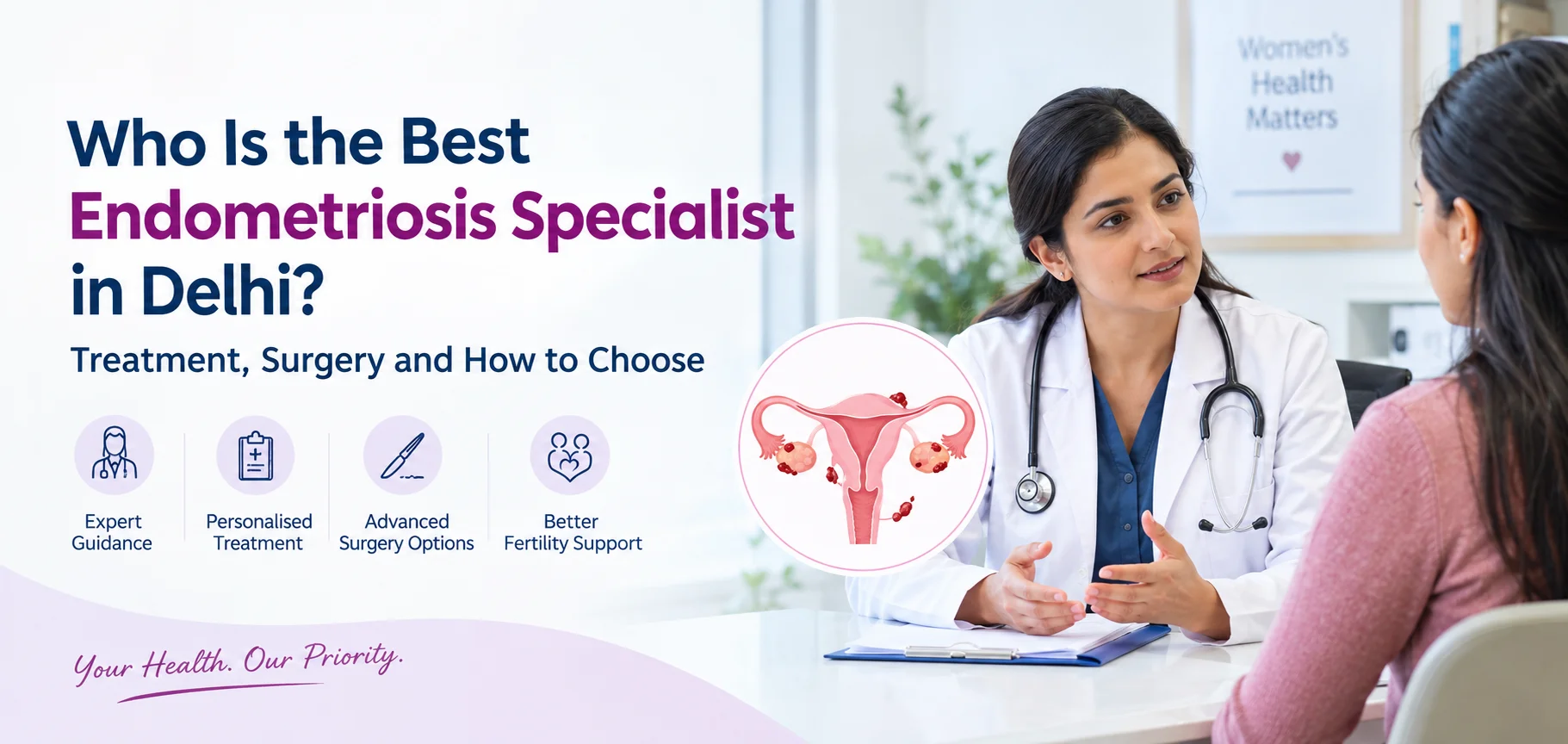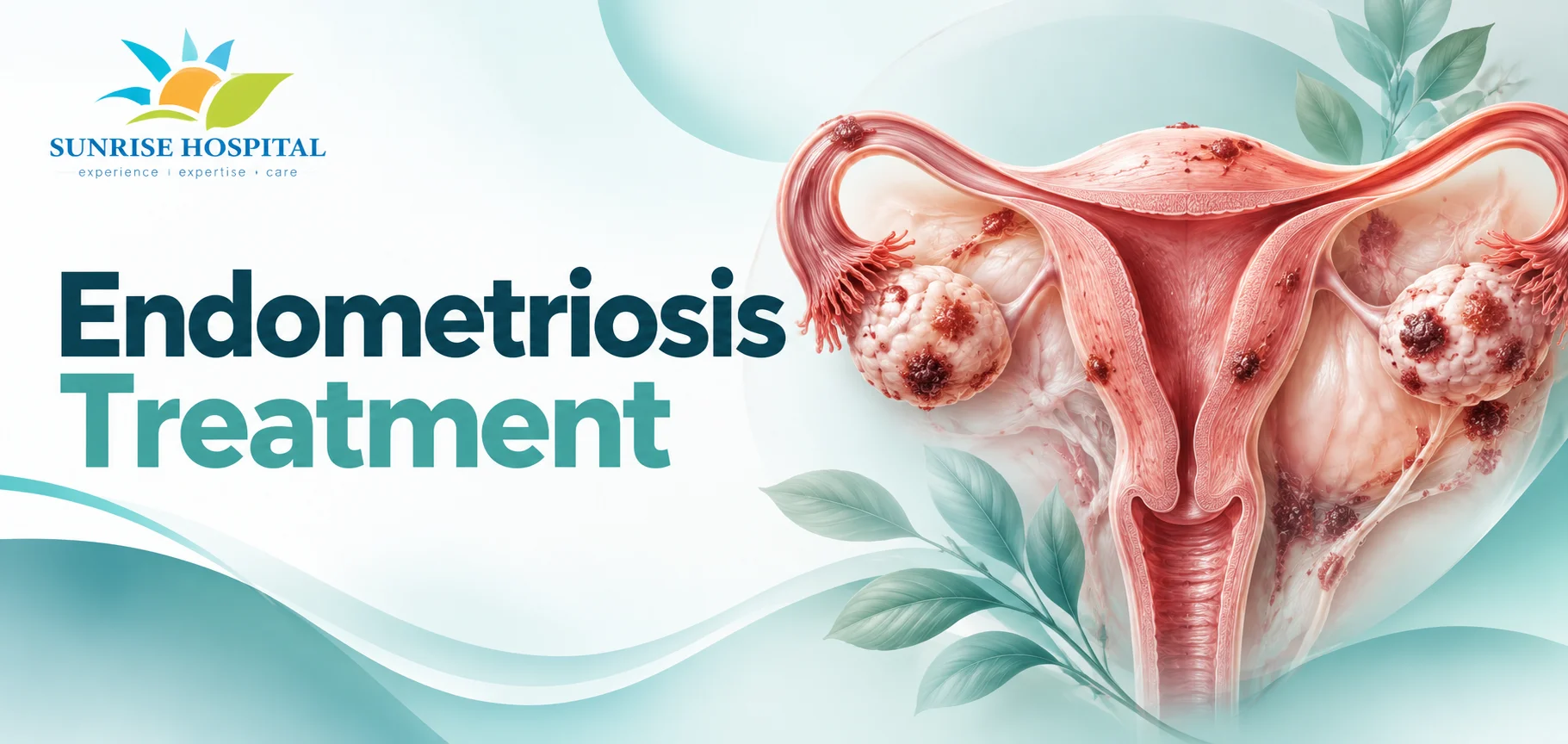
Endometriosis Treatment in Delhi: Symptoms, Diagnosis, and Treatment Options
Endometriosis is a chronic gynaecological condition that can cause severe menstrual pain, persistent pelvic pain, painful intercourse, bowel or urinary symptoms, and difficulty conceiving. For people experiencing these symptoms, getting an appropriate medical assessment is an important step toward understanding the cause and choosing suitable treatment.
If you are looking for endometriosis treatment in Delhi, it is important to understand the available treatment options, how the condition is diagnosed, when laparoscopic surgery may be considered, and how treatment decisions can affect future fertility.
Sunrise Hospital in Kalindi Colony, South Delhi, provides a point of contact for people seeking information about gynaecology and laparoscopic surgery services. The appropriate treatment for endometriosis depends on an individual's symptoms, medical history, examination findings, disease location and extent, and pregnancy plans.
This guide explains the common symptoms of endometriosis, diagnostic approaches, medical treatment, laparoscopic surgery, recovery considerations, and questions to discuss with a gynaecologist.
What Is Endometriosis?
Endometriosis is a chronic condition in which tissue similar to the lining of the uterus grows outside the uterus. It most commonly affects structures in the pelvis, including the ovaries and tissues around the uterus. In some cases, it can also involve areas such as the bowel or bladder.
This tissue can contribute to inflammation, pain, adhesions and, in some cases, ovarian cysts called endometriomas.
Endometriosis affects people differently. Some experience significant pain that interferes with everyday activities, while others have relatively few symptoms. The severity of pain does not always correspond to the apparent extent of the disease.
According to the World Health Organization (WHO), endometriosis is a chronic disease that can affect physical, reproductive and emotional well-being. Although there is currently no definitive cure, several treatment approaches can help manage symptoms and improve quality of life.
What Are the Common Symptoms of Endometriosis?
Recognising possible endometriosis symptoms can help people seek medical advice earlier. Symptoms may vary from one person to another and can change over time.
Common symptoms include:
- Severe period pain: Menstrual cramps that interfere with work, study, sleep or routine activities.
- Chronic pelvic pain: Pain in the lower abdomen or pelvis that may occur during or outside menstruation.
- Pain during or after intercourse: Particularly deep pelvic pain.
- Painful bowel movements: Especially when symptoms become worse around menstruation.
- Pain during urination: Particularly when symptoms follow a menstrual pattern.
- Heavy or difficult periods: Some people experience heavy menstrual bleeding or other menstrual changes.
- Bloating and abdominal discomfort: Symptoms that may fluctuate throughout the menstrual cycle.
- Difficulty conceiving: Endometriosis may be associated with infertility in some individuals.
- Fatigue and reduced quality of life: Persistent pain can affect sleep, work, relationships and emotional well-being.
These symptoms do not automatically mean that someone has endometriosis. Other gynaecological, urinary or digestive conditions can cause similar problems.
When should you consult a doctor? Seek a gynaecological assessment if menstrual or pelvic pain repeatedly disrupts daily life, symptoms persist or recur, pain during intercourse or bowel movements is significant, or you are experiencing difficulty conceiving.
Sudden severe abdominal or pelvic pain, fainting, heavy bleeding accompanied by weakness, or severe pain when pregnancy is possible requires urgent medical assessment.
What Causes Endometriosis?
The exact cause of endometriosis is not fully understood. Researchers continue to investigate the biological mechanisms involved.
Factors associated with endometriosis include:
- A family history of endometriosis, particularly in a close relative.
- Menstrual and reproductive factors that may be associated with the condition.
- Differences in immune and inflammatory processes.
- Complex interactions involving hormonal and genetic factors.
Having a risk factor does not mean that a person will develop endometriosis. Likewise, people without a known family history can still develop the condition.
Endometriosis is not simply the result of poor menstrual hygiene, and its development should not be attributed to a single lifestyle choice.
How Is Endometriosis Diagnosed?
An appropriate diagnosis helps a clinician distinguish endometriosis from other causes of pelvic pain and select a suitable treatment plan.
1. Medical history and symptom assessment
A gynaecologist may ask about menstrual pain, the timing of pelvic symptoms, bowel or urinary discomfort, previous treatments, family history and fertility goals.
Keeping a symptom diary can be useful. Record when pain occurs, its severity, menstrual dates, medicines used and the impact on daily activities.
2. Physical examination
Depending on the person's symptoms, preferences and clinical circumstances, the clinician may recommend an abdominal or pelvic examination. The need for an internal examination should be discussed beforehand.
A normal examination does not necessarily rule out endometriosis.
3. Ultrasound
Pelvic ultrasound can help identify ovarian endometriomas and some forms of deep endometriosis. A transvaginal ultrasound may be recommended when appropriate and acceptable to the patient; an alternative approach can be considered when it is not suitable.
However, a normal ultrasound does not exclude all forms of endometriosis, particularly superficial disease.
4. MRI in selected cases
Pelvic MRI may be recommended when more detailed assessment of suspected deep endometriosis is needed. Its use depends on the clinical question and whether the results will help guide management.
5. Laparoscopy
Laparoscopy is a minimally invasive surgical procedure that allows a surgeon to inspect the pelvic organs using a camera inserted through small incisions. It may be considered when symptoms, examination and imaging findings warrant further investigation or when surgical treatment is being planned.
Laparoscopy is not necessary for every person with suspected endometriosis. A clinician should explain its potential benefits, risks and alternatives before recommending it.
For additional guidance, see the NICE recommendations on endometriosis diagnosis and management.
What Are the Treatment Options for Endometriosis?
There is no single treatment that is suitable for everyone. The choice depends on the nature and severity of symptoms, disease location, response to previous treatment, potential side effects, medical history and whether pregnancy is a current priority.
1. Pain management
A clinician may recommend appropriate pain-relieving medicines after reviewing medical history, other medicines, contraindications and potential side effects.
Persistent pain that does not improve with initial treatment needs further evaluation rather than repeated self-medication.
2. Hormonal treatment
Hormonal medicines, including certain contraceptive medicines or progestogens, may help reduce endometriosis-related pain in suitable patients.
These treatments are not appropriate for everyone. Some hormonal treatments are incompatible with actively trying to conceive, so pregnancy plans should be discussed before treatment begins.
3. Monitoring and follow-up
Some patients may be managed with medication and planned follow-up rather than immediate surgery. The clinician may recommend reassessment based on symptom progression, treatment response, imaging findings and individual risk factors.
4. Laparoscopic endometriosis surgery
Laparoscopic surgery may be considered when symptoms remain troublesome despite appropriate treatment, when an endometrioma or deep endometriosis requires specialist assessment, or when surgery is appropriate for an individual's treatment goals.
Depending on the findings and surgical plan, the procedure may involve removing or treating endometriosis lesions, releasing adhesions or treating an ovarian endometrioma.
The expected benefits, risks, possibility of recurrence and impact on fertility should be discussed before surgery.
5. Fertility-focused care
Endometriosis can affect fertility in some patients, but it does not mean that pregnancy is impossible. A fertility assessment may consider age, ovarian reserve, other fertility factors, disease location and previous treatment.
Surgery is not automatically the best first step for every patient trying to conceive. The potential benefits of surgery should be weighed against its risks, including possible effects on ovarian reserve in people with ovarian endometriomas.
A coordinated discussion between the patient, gynaecologist and fertility specialist may help clarify the available options.
When Is Laparoscopic Surgery Recommended for Endometriosis?
People searching for laparoscopic endometriosis surgery in Delhi should understand that surgery is one treatment option, not a universal solution.
A specialist may consider surgery when:
- Pelvic pain continues to significantly affect daily life despite appropriate treatment.
- An ovarian endometrioma or other abnormality requires further assessment or treatment.
- Deep endometriosis is suspected or confirmed and specialist surgical evaluation is appropriate.
- Symptoms and examination or imaging findings support an operative approach.
- The potential benefits align with the patient's fertility plans and treatment preferences.
The exact procedure depends on the location and extent of the disease. Deep endometriosis involving the bowel, bladder or ureter may require careful planning and input from other surgical specialties.
Before proceeding, ask the surgeon about the intended procedure, relevant experience, expected recovery, possible complications, alternatives and the likelihood that further treatment may be needed.
Laparoscopic surgery can help selected patients, but it cannot guarantee permanent relief, prevent all recurrence or ensure pregnancy.
Endometriosis Surgery: Risks and Recovery
Recovery varies according to the procedure performed, the extent of endometriosis, the patient's general health and whether additional surgical treatment is required.
After laparoscopic surgery, a patient may experience temporary abdominal discomfort, fatigue or bloating. The clinical team will provide individual instructions about wound care, pain relief, activity, bathing, driving, work and follow-up.
Potential risks of surgery may include bleeding, infection, anaesthesia-related complications, injury to nearby organs, adhesions and the possibility of persistent or recurrent symptoms. The nature and likelihood of these risks vary by procedure and individual circumstances.
Ask your surgical team when you can safely resume normal activities and which symptoms require urgent attention.
Seek prompt medical advice after surgery for fever, worsening or severe abdominal pain, persistent vomiting, heavy bleeding, wound problems, difficulty passing urine, chest pain or breathing difficulties.
Can Endometriosis Affect Fertility?
Endometriosis may be associated with difficulty conceiving, but the impact differs from person to person. Some people with endometriosis conceive naturally, while others may benefit from fertility evaluation or treatment.
Fertility planning may include:
- Assessing age and the duration of trying to conceive.
- Reviewing ovarian and other relevant fertility factors.
- Evaluating the location and extent of endometriosis.
- Discussing whether medical management, surgery or assisted reproductive treatment is appropriate.
- Considering the possible effects of ovarian surgery on ovarian reserve.
Hormonal treatment can help control symptoms in appropriate patients, but it is generally not used to improve spontaneous pregnancy rates while someone is actively trying to conceive.
If pregnancy is a priority, discuss this before starting treatment or deciding on surgery. The best approach should account for both endometriosis and other factors that may affect fertility.
How Much Does Endometriosis Treatment Cost in Delhi?
The cost of endometriosis treatment in Delhi varies depending on the type of care required. A consultation and medical treatment will generally involve different expenses from a surgical procedure.
Factors that can influence the overall cost include:
- Consultation and specialist assessment.
- Ultrasound, MRI or other investigations when indicated.
- Prescribed medicines and follow-up visits.
- The type and complexity of surgery, if required.
- Anaesthesia, hospital stay and postoperative care.
- Additional specialist input or fertility services when needed.
There is no single cost that applies to every patient. A quoted price should clearly explain what is included and which services may be billed separately.
For an estimate relevant to your circumstances, contact the hospital and ask what information or investigation reports are needed to provide a more accurate quotation.
How to Choose an Endometriosis Specialist in Delhi
When comparing an endometriosis doctor, surgeon or hospital in Delhi, consider more than a general online ranking.
Useful questions include:
- Does the clinician have relevant experience in diagnosing and managing endometriosis?
- Can the clinician explain both medical and surgical options?
- Will the proposed treatment account for current or future pregnancy plans?
- Are the necessary investigations and follow-up arrangements available?
- If deep endometriosis is suspected, can the care plan involve other relevant specialties when needed?
- Are the risks, alternatives, likely recovery and potential for recurrence explained clearly?
- Can the hospital provide a transparent estimate of the proposed treatment and associated costs?
The most appropriate specialist is one whose qualifications, relevant experience and proposed care plan fit the patient's clinical needs.
Endometriosis Care at Sunrise Hospital, South Delhi
Sunrise Hospital is located in Kalindi Colony, near New Friends Colony, South Delhi. People seeking gynaecology or laparoscopic surgery information can contact the hospital to ask about the relevant services, clinician availability and appointment arrangements.
When contacting the hospital, explain your main symptoms, any previous diagnosis, relevant scan reports and whether pregnancy is a current priority. This information can help the team direct your enquiry appropriately.
Hospital: Sunrise Hospital
Address: F-1, Kalindi Colony, New Delhi, Delhi 110065, near New Friends Colony
General enquiries: +91-9800001900
Emergency contact: +91-9800001901
Email: helpdesk@sunrisehospitals.in
- Explore endometriosis services
- View gynaecology services
- Explore gynaecological laparoscopic surgery
- View doctors
- Request an appointment
- Contact Sunrise Hospital
Contact the hospital to confirm the appropriate clinician, available services and appointment details for your needs.
Frequently Asked Questions About Endometriosis Treatment in Delhi
1. What is the best treatment for endometriosis?
The best treatment depends on symptoms, disease location, previous treatment, medical history and fertility plans. Options may include pain management, hormonal medicines, monitoring and laparoscopic surgery in selected cases. A qualified clinician can help determine which approach is appropriate.
2. What are the early symptoms of endometriosis?
Early symptoms may include painful periods, persistent pelvic pain, pain during intercourse, painful bowel movements around menstruation and difficulty conceiving. Some people have few symptoms. Persistent or disruptive symptoms should be assessed by a healthcare professional.
3. Can endometriosis be diagnosed with an ultrasound?
Ultrasound can identify some forms of endometriosis, including many ovarian endometriomas and certain cases of deep disease. However, a normal scan does not rule out all endometriosis. Further assessment may be appropriate if symptoms remain suggestive.
4. Is laparoscopic surgery always necessary for endometriosis?
No. Some patients can manage symptoms with medication and follow-up. Laparoscopic surgery may be appropriate in selected cases, depending on symptoms, imaging, disease location, treatment response and individual goals. The benefits and risks should be discussed before a decision is made.
5. Can endometriosis return after surgery?
Yes. Symptoms or endometriosis may recur after surgery. The likelihood varies depending on the disease, the procedure, individual factors and follow-up management. Some patients may benefit from additional medical treatment or ongoing review.
6. Can a person with endometriosis become pregnant?
Yes, some people with endometriosis conceive naturally. Others may require fertility assessment or treatment. Fertility outcomes depend on several factors, including age, ovarian reserve, disease extent and other reproductive health considerations.
7. How much does endometriosis surgery cost in Delhi?
The cost depends on the procedure, disease complexity, investigations, hospital stay, anaesthesia and follow-up care. Contact the hospital for an estimate based on the proposed treatment and ask for a clear breakdown of included and additional charges.
8. Which doctor should I consult for endometriosis?
A gynaecologist with relevant experience in endometriosis diagnosis and management is a suitable starting point. Suspected deep endometriosis or complex fertility concerns may require assessment involving additional specialists.
9. When should I seek medical help for painful periods?
Seek assessment when period pain repeatedly interferes with normal activities, pain is worsening, symptoms occur outside menstruation, or pain during intercourse or bowel movements is significant. Sudden severe pelvic pain or pain accompanied by fainting or heavy bleeding requires urgent medical attention.
10. How can I ask about endometriosis treatment at Sunrise Hospital?
You can contact Sunrise Hospital on +91-9800001900 or use the appointment booking page. Ask about the relevant gynaecology service, clinician availability, consultation requirements and treatment options.
Conclusion
Endometriosis is a chronic condition that can affect pain, everyday activities and fertility. Recognising symptoms, obtaining an appropriate assessment and understanding the benefits and limitations of different treatments can help patients make informed decisions.
For people looking for endometriosis treatment in Delhi, the next step is to discuss symptoms, investigations, medical management and possible surgical options with a qualified clinician. Treatment should be individualized rather than based on symptoms or search rankings alone.
Medical information disclaimer: This article is intended for general educational purposes and does not replace a medical consultation, diagnosis or personalized treatment plan. Treatment decisions should be made with a qualified healthcare professional.
Clinical references
- World Health Organization (WHO): Endometriosis fact sheet
- National Institute for Health and Care Excellence (NICE): Endometriosis—diagnosis and management