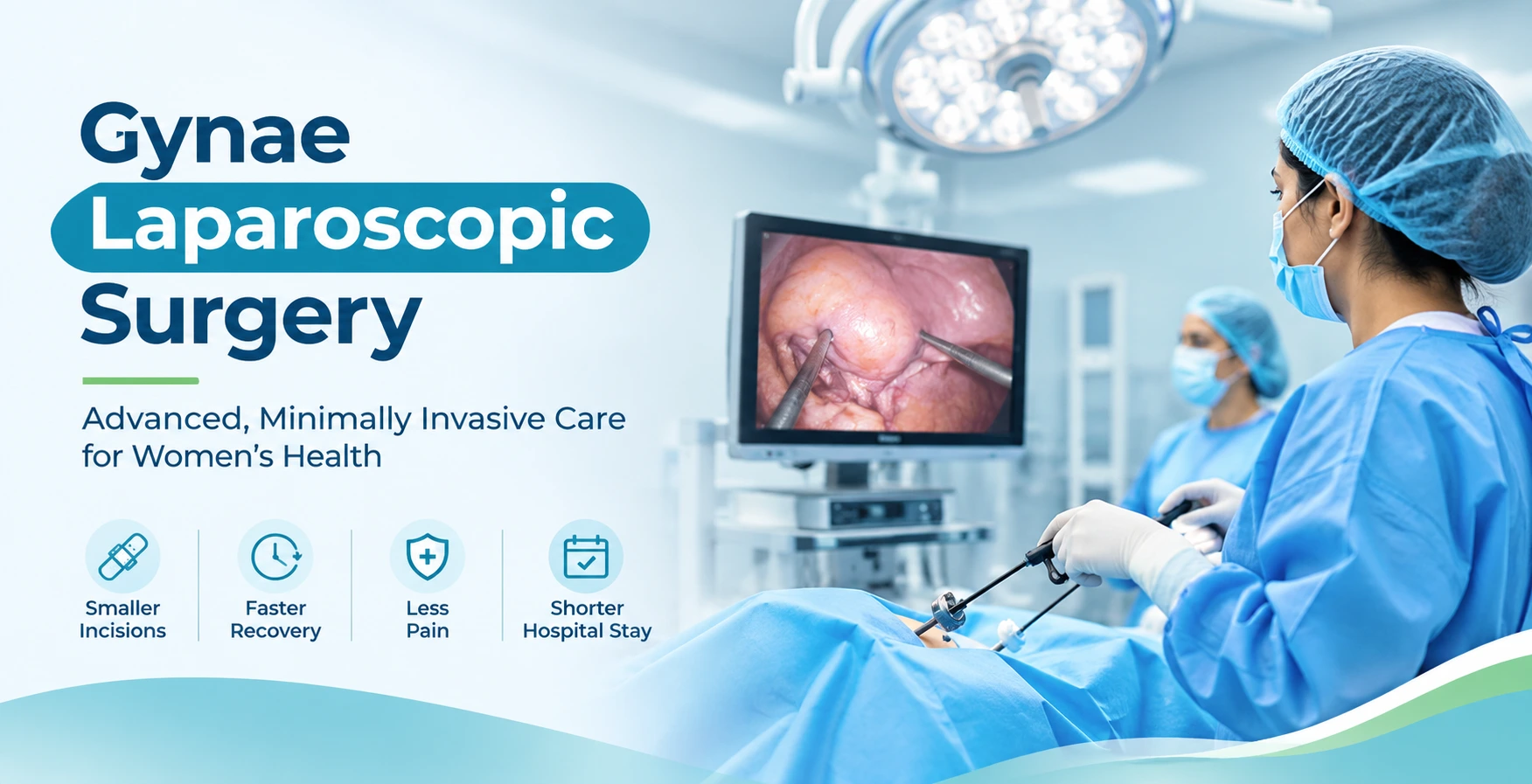
Gynae Laparoscopic Surgery in Delhi
Advanced Minimally Invasive Gynaecological Surgery at Sunrise Hospital
Gynaecological conditions such as uterine fibroids, endometriosis, ovarian cysts, pelvic organ prolapse, and certain fertility-related problems may require surgical treatment. When clinically appropriate, laparoscopic surgery offers a minimally invasive approach that allows surgeons to perform procedures through small incisions using specialised instruments and a camera.
At Sunrise Hospital, New Delhi, patients can consult experienced gynaecological surgeons for the evaluation and surgical management of a range of gynaecological conditions. Our approach focuses on accurate diagnosis, individualised treatment planning, and appropriate surgical care based on each patient's medical needs.
If you are looking for gynae laparoscopic surgery in Delhi, consult our team to understand your treatment options.
Book an Appointment | Call: +91-9800001900
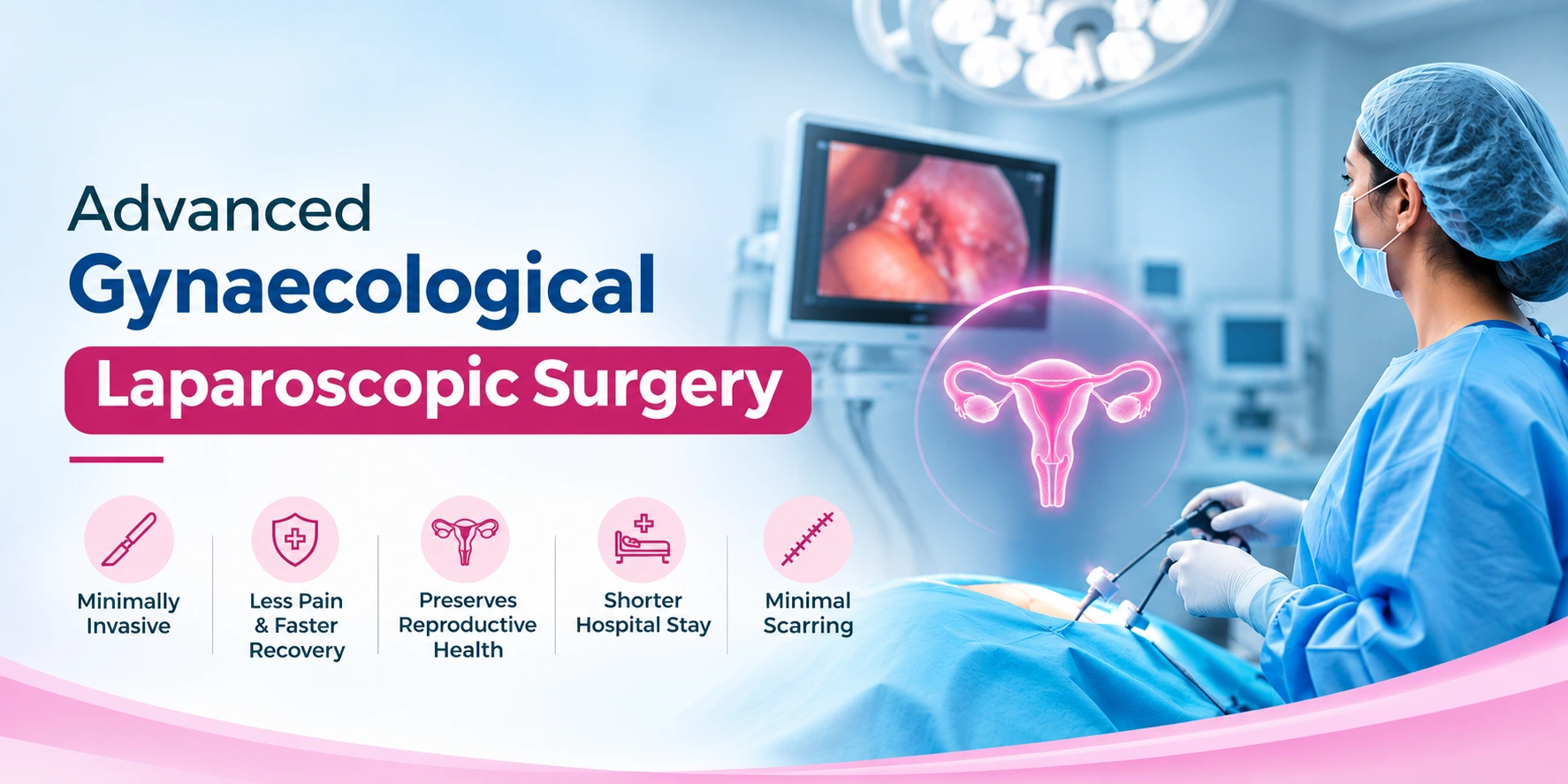
Advanced Gynaecological Laparoscopic Surgery at Sunrise Hospital
Laparoscopic surgery is a minimally invasive surgical technique used for selected gynaecological procedures. Instead of a large abdominal incision, the surgeon operates through small openings using a laparoscope and specialised surgical instruments.
The suitability of laparoscopic surgery depends on the patient's condition, medical history, previous surgeries, diagnostic findings and overall health.
At Sunrise Hospital, our gynaecological surgical services focus on evaluating the underlying condition and determining the most appropriate treatment approach, including minimally invasive surgery when indicated.
Gynaecological Conditions We Treat
Our gynaecological surgical services include the assessment and management of conditions that may require laparoscopic or other appropriate surgical procedures.
Uterine Fibroids
Uterine fibroids are non-cancerous growths that develop in or around the uterus. Depending on their size, number, and location, they may cause heavy menstrual bleeding, pelvic pressure, pain, or fertility-related concerns. Surgical options may include laparoscopic myomectomy or hysterectomy when clinically indicated.
Endometriosis
Endometriosis occurs when tissue similar to the lining of the uterus grows outside the uterine cavity. It may cause severe menstrual pain, chronic pelvic pain, and difficulty conceiving. Selected patients may benefit from laparoscopic evaluation and surgical treatment to remove endometriosis lesions and adhesions.
Ovarian Cysts
Ovarian cysts are fluid-filled sacs that develop in or on the ovaries. Many resolve without surgery, while some require further evaluation or surgical management. Depending on the cyst's characteristics, laparoscopic cystectomy or another suitable procedure may be considered.
Adenomyosis
Adenomyosis is a condition in which tissue similar to the uterine lining grows within the muscular wall of the uterus. It can cause painful periods, heavy menstrual bleeding, and pelvic discomfort. Treatment depends on symptom severity, age, and reproductive plans. Surgery may be considered in selected cases.
Pelvic Organ Prolapse
Pelvic organ prolapse occurs when pelvic organs descend due to weakening of the supporting muscles and tissues. Depending on the type and severity of prolapse, treatment may include pelvic floor management or reconstructive procedures such as sacrocolpopexy.
Fertility-Related Structural Conditions
Certain uterine and pelvic abnormalities, adhesions, and structural conditions may affect reproductive health. Following appropriate evaluation, selected patients may benefit from hysteroscopic or laparoscopic procedures. Treatment recommendations depend on the specific diagnosis and fertility goals.
Gynaecological Laparoscopic Procedures at Sunrise Hospital
Sunrise Hospital offers evaluation and surgical treatment for selected gynaecological conditions. The recommended procedure is determined after consultation and diagnostic assessment.
Laparoscopic Hysterectomy
Laparoscopic hysterectomy is a minimally invasive procedure to remove the uterus through small abdominal incisions. It may be recommended for selected patients with conditions such as symptomatic fibroids, adenomyosis, abnormal uterine bleeding, or other uterine disorders when non-surgical treatments are unsuitable or unsuccessful.
The type of hysterectomy and whether the ovaries and fallopian tubes need to be removed depend on the patient's diagnosis and individual treatment plan.
Laparoscopic Myomectomy
Laparoscopic myomectomy involves removing uterine fibroids while preserving the uterus. It may be considered for women experiencing fibroid-related symptoms or those who wish to preserve their uterus, including some patients planning future pregnancy.
The suitability of this approach depends on the size, number, and location of fibroids.
Laparoscopic Endometriosis Surgery
Laparoscopic endometriosis surgery may involve identifying and removing endometriosis lesions, releasing adhesions and treating selected forms of deep endometriosis.
The surgical plan depends on the extent and location of the disease, symptoms, fertility goals, and involvement of surrounding organs. Some complex cases may require a multidisciplinary approach.
Laparoscopic Ovarian Cyst Surgery
Laparoscopic ovarian cystectomy involves removing an ovarian cyst while preserving healthy ovarian tissue whenever possible and appropriate. The decision to operate depends on the cyst's appearance, size, symptoms, and suspected nature.
Fertility-Enhancing Laparoscopic and Hysteroscopic Surgery
Selected structural conditions of the uterus and pelvis may be treated using laparoscopic or hysteroscopic techniques.
Procedures may include:
- Hysteroscopic polypectomy
- Hysteroscopic myomectomy
- Uterine septum resection in appropriately selected cases
- Pelvic adhesiolysis
- Isthmocele repair in selected patients
- Surgical management of certain uterine and pelvic abnormalities
The aim is to address the diagnosed structural problem where treatment is appropriate. Improvement in fertility cannot be guaranteed, and outcomes depend on several individual factors.
Laparoscopic Sacrocolpopexy
Laparoscopic sacrocolpopexy is a reconstructive procedure used to treat selected cases of pelvic organ prolapse, particularly vaginal vault prolapse. It helps support the vaginal apex using a surgical mesh.
The benefits, alternatives and potential mesh-related risks should be discussed with the surgeon before treatment.
Transabdominal Cerclage (TAC)
Transabdominal cerclage is a specialised procedure considered for selected women with cervical insufficiency, particularly when a vaginal cervical cerclage is unsuitable or has not been successful.
The procedure involves placing a supportive stitch around the cervix through an abdominal approach. It may be performed before pregnancy or during pregnancy in carefully selected circumstances. The timing and suitability require specialist assessment.
Reconstructive and Urogynaecological Procedures
Selected pelvic floor and urogynaecological conditions may require reconstructive surgical treatment. Depending on the diagnosis, procedures may include:
- Sacrospinous fixation
- Selected pelvic floor reconstructive procedures
- TVT or TOT procedures for appropriately diagnosed stress urinary incontinence
- Other indicated reconstructive procedures
The recommended procedure depends on the patient's symptoms, examination findings, and overall clinical condition.
Why Choose Sunrise Hospital for Gynae Laparoscopic Surgery in Delhi?
Choosing a hospital for gynaecological surgery involves more than selecting a procedure. Patients need an appropriate diagnosis, clear information about treatment options, and careful follow-up.
At Sunrise Hospital, our approach includes:
Experienced Gynaecological Specialists
Consultation with specialists experienced in the assessment and surgical management of gynaecological conditions.
Minimally Invasive Surgical Options
Evaluation for laparoscopic and hysteroscopic approaches when they are clinically appropriate.
Individualised Treatment Planning
Treatment recommendations based on diagnosis, symptoms, medical history, fertility goals and patient preferences.
Range of Gynaecological Surgical Services
Assessment and treatment options for conditions involving the uterus, ovaries, fallopian tubes and pelvic floor.
Patient-Centred Care
Clear discussions about the proposed procedure, expected recovery, possible risks, and follow-up requirements.
Convenient South Delhi Location
Located in Kalindi Colony, New Friends Colony, Sunrise Hospital is accessible to patients from across South Delhi and nearby areas.
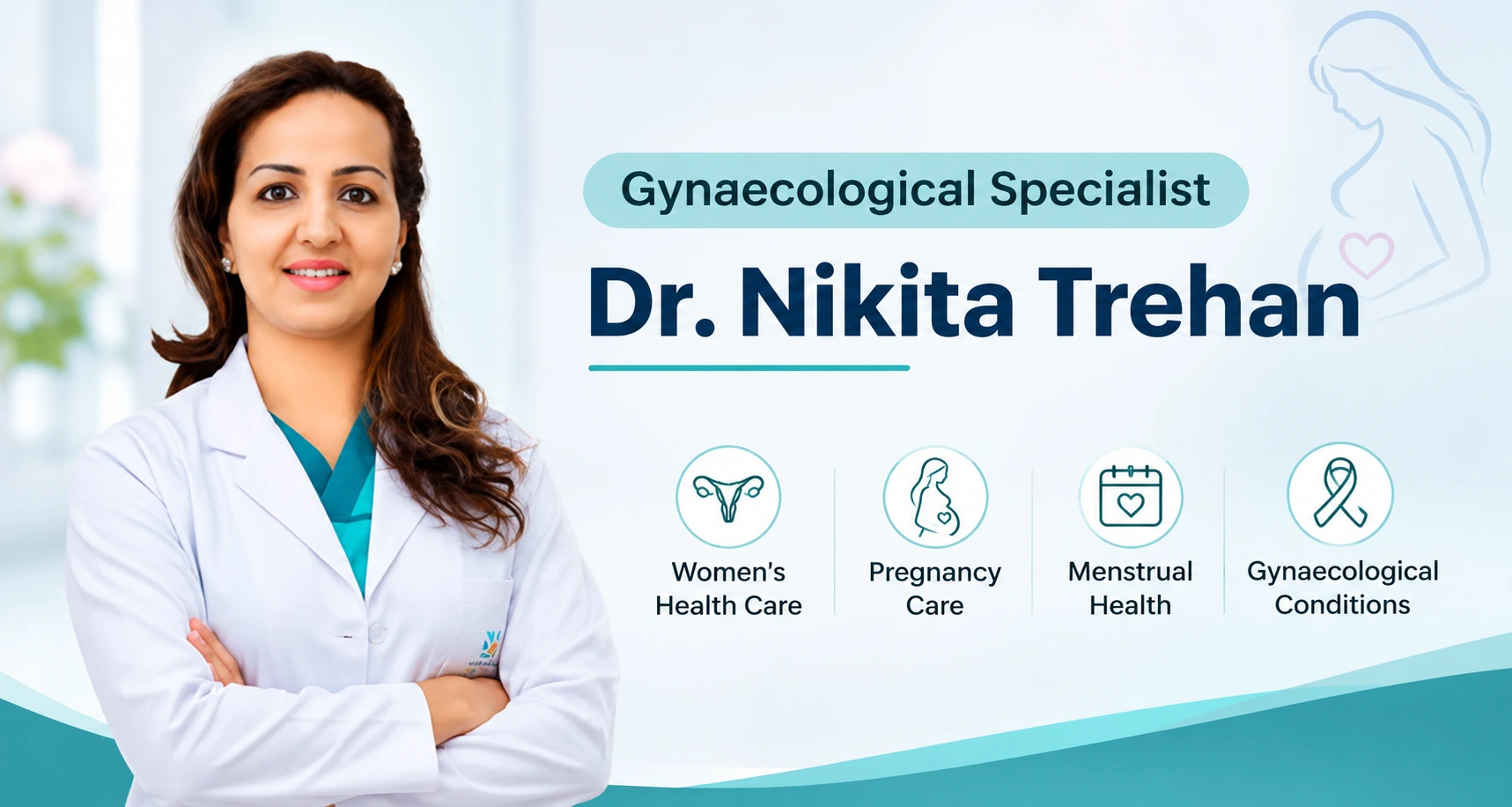
Meet Our Gynaecological Specialist
Dr. Nikita Trehan
Gynaecological Laparoscopic Surgeon
Dr. Nikita Trehan is associated with advanced gynaecological endoscopy and minimally invasive gynaecological surgery at Sunrise Hospital. Her areas of expertise include gynaecological laparoscopic procedures and the surgical management of selected complex gynaecological conditions.
Qualifications: MBBS, DNB, MNAMS, Diploma in Laparoscopic Surgery.
Patients can consult Dr. Nikita Trehan for an evaluation of gynaecological conditions and to understand whether laparoscopic surgery may be suitable for their needs.
Your Treatment Journey
Every patient requires an individual treatment plan. The process generally involves the following stages:
1. Specialist Consultation
Discuss your symptoms, medical history, previous treatments, and concerns with the gynaecologist.
2. Diagnostic Evaluation
The doctor may recommend an examination, ultrasound, MRI, blood tests, or other investigations depending on the suspected condition.
3. Personalised Treatment Planning
Your specialist will explain the available treatment options, including medication, observation, laparoscopic surgery or other approaches where appropriate.
4. Surgical Procedure
If surgery is recommended, the procedure, preparation, anaesthesia and expected hospital stay will be discussed with you.
5. Recovery and Follow-Up
Your recovery plan will include post-operative instructions, follow-up appointments and guidance on returning to routine activities.
Laparoscopic Surgery: Benefits and Important Considerations
For appropriately selected patients, laparoscopic surgery may offer several advantages over conventional open surgery.
- Smaller surgical incisions
- Less post-operative discomfort in some procedures
- Reduced blood loss in selected cases
- Shorter hospital stay for many procedures
- Earlier return to routine activities in suitable cases
- Smaller visible scars
However, laparoscopic surgery is not suitable for every patient or every condition. Like all surgical procedures, it carries potential risks, including bleeding, infection, injury to surrounding organs, anaesthesia-related complications and the possibility of conversion to open surgery.
Your surgeon will explain the expected benefits, limitations, alternatives, and risks based on your individual condition.
Gynae Laparoscopic Surgery in South Delhi
Sunrise Hospital is located in Kalindi Colony, New Friends Colony, South Delhi, making it accessible to patients seeking gynaecological consultation and surgical care from nearby areas, including:
- New Friends Colony
- Kalindi Colony
- Maharani Bagh
- Jasola
- Okhla
- Sarita Vihar
- Lajpat Nagar
- Ashram
- Kalkaji
- Greater Kailash
If you are looking for a hospital for gynaecological laparoscopic surgery in Delhi, you can contact Sunrise Hospital to schedule a specialist consultation.
Frequently Asked Questions
1. What is gynae laparoscopic surgery?
Gynae laparoscopic surgery is a minimally invasive surgical approach used to diagnose or treat selected gynaecological conditions. It involves small abdominal incisions through which a camera and specialised instruments are inserted.
2. Which gynaecological conditions can be treated with laparoscopic surgery?
Depending on the diagnosis, laparoscopic surgery may be used for uterine fibroids, endometriosis, ovarian cysts, selected pelvic adhesions, pelvic organ prolapse and certain other gynaecological conditions.
3. Is laparoscopic hysterectomy suitable for every woman?
No. The suitability of laparoscopic hysterectomy depends on the underlying condition, uterine size, previous surgeries, medical history and other clinical factors. Your gynaecologist will recommend the appropriate surgical approach.
4. Can uterine fibroids be removed through laparoscopic surgery?
Yes, selected uterine fibroids can be removed through laparoscopic myomectomy. Suitability depends on their size, number, location and the patient's medical and reproductive goals.
5. Is laparoscopic surgery helpful for endometriosis?
Laparoscopic surgery may help treat endometriosis by removing lesions and releasing adhesions in selected patients. The decision depends on disease severity, symptoms, fertility plans and other clinical findings.
6. What is the difference between laparoscopic and open gynaecological surgery?
Laparoscopic surgery uses small incisions, a camera, and specialised instruments. Open surgery generally involves a larger abdominal incision. The appropriate method depends on the condition, complexity of surgery, and the patient's health.
7. How long does recovery take after gynae laparoscopic surgery?
Recovery varies depending on the procedure, the patient's health, and whether complications occur. Your surgeon will provide specific guidance on hospital stay, physical activity, work and follow-up.
8. Can I plan a pregnancy after laparoscopic gynaecological surgery?
Pregnancy may be possible after certain procedures, but this depends on the condition treated, the type of surgery and individual reproductive health. Discuss your fertility goals with your gynaecologist before surgery.
9. What is Transabdominal Cerclage (TAC)?
Transabdominal cerclage is a procedure in which a supportive stitch is placed around the cervix through an abdominal approach. It may be recommended for selected patients with cervical insufficiency when vaginal cerclage is unsuitable or has not been successful.
10. How do I book a consultation for gynae laparoscopic surgery at Sunrise Hospital?
You can contact Sunrise Hospital at +91-9800001900 to enquire about an appointment and specialist consultation.
Book a Consultation for Gynae Laparoscopic Surgery in Delhi
If you are experiencing symptoms related to uterine fibroids, endometriosis, ovarian cysts, pelvic organ prolapse or another gynaecological condition, an early specialist evaluation can help you understand the available treatment options.
At Sunrise Hospital, New Delhi, consult our gynaecological team to discuss your diagnosis, surgical suitability and individual treatment plan.
Sunrise Hospital, New Delhi
F-1, Garden Lane, Kalindi Colony, New Friends Colony, New Delhi, Delhi – 110065, India.
Appointments and Enquiries: +91-9800001900
Emergency Contact: +91-9800001901
Email: helpdesk@sunrisehospitals.in
Medical Disclaimer: The information on this page is intended for general patient education and does not replace professional medical advice, diagnosis, or treatment. A qualified specialist must determine the need for surgery and the choice of procedure after an individual clinical evaluation.